Bushcraft Clothing UK: The Layering Mistake That Gets Beginners Cold
As an Amazon Associate we earn from qualifying purchases. This page contains affiliate links — if you buy through them, we earn a small commission at no extra cost to you.
Clothing makes more difference to a UK bushcraft trip than most beginners expect. Get it wrong and you can be cold, wet, and distracted within an hour. Get it right and the rest of the day becomes much easier to manage.
Many beginners learn this the hard way — spending an entire afternoon shivering through what should have been a brilliant autumn camp because they grabbed a cotton hoodie on the way out the door. This guide covers the layering system that actually works, the materials worth knowing about, and how to build a solid wardrobe without spending a fortune.
Why Your Clothing Matters (More Than You Think!)
Your clothing isn’t just about looking the part; it’s a critical component of your personal safety system when you’re out in the British countryside. In the unpredictable British climate, where a sunny morning can quickly turn into a blustery, wet afternoon, what you wear directly impacts your comfort, performance, and, crucially, your safety. Getting it wrong means your trip can go from an adventure to a miserable ordeal very quickly. We have seen folk turn back from a perfectly good hill walk just because their gear let them down, leading to chafing, chills, or even overheating.
The truth is, the UK’s weather presents some unique challenges that generic outdoor advice often overlooks. We’re not usually dealing with extreme cold like the Arctic, or scorching heat like the desert. Instead, we face a constant battle against dampness, biting wind chill, and rapid temperature fluctuations. One moment you’re sweating on a climb, the next you’re exposed on a ridge with a horizontal drizzle. This isn’t just about feeling a bit chilly; prolonged exposure to cold and wet conditions can lead to serious issues like hypothermia, which is a genuine risk even in relatively mild British weather, especially if you’re inactive or injured. According to the NHS, symptoms of hypothermia can quickly escalate, making it vital to stay warm and dry. Checking both the Met Office forecast and, for hill days, Mountain Weather Information Service before you pack is wise, because wind chill and rainfall totals often make the layering decision for you. Your clothing is your first line of defence, but a good UK tarp shelter setup is your second.
Beyond the safety aspect, proper clothing profoundly impacts your enjoyment and morale. It’s hard to focus on fire lighting or carving when your hands are numb, or to appreciate the wildlife when you’re soaked to the skin. Feeling comfortable and protected allows you to fully immerse yourself in the experience, learn new skills, and connect with nature. It’s about building resilience and confidence, knowing you can handle whatever the elements throw at you. It’s the foundation upon which all your other skills and experiences are built, and it directly relates to your overall bushcraft safety tips. You can find more of our thoughts on staying safe and enjoying the outdoors over on the Bushcraft Base Blog.
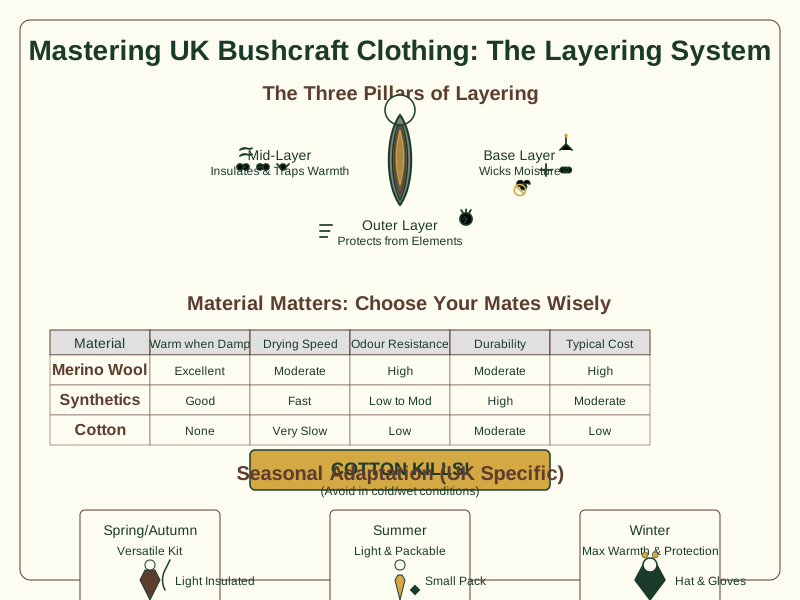
The Three Pillars of Bushcraft Layering: Base, Mid, Outer
Effective bushcraft layering is built upon three distinct types of garments, each playing a crucial role in managing your body temperature and protecting you from the elements: the base layer, the mid-layer, and the outer layer. These layers are designed to work together in harmony, allowing you to add or remove them as conditions and your activity levels change, giving you ultimate control over your comfort. It’s a clever system, really, and once you get your head around it, you’ll wonder how you ever managed without it.
The base layer is the garment closest to your skin, and its primary job is to wick moisture away from your body. When you exert yourself, you sweat, and if that sweat stays on your skin, it cools you down rapidly, especially when you stop moving. A good base layer acts like a sponge, drawing that moisture outwards so it can evaporate or be absorbed by the next layer. For materials, merino wool is often considered the gold standard. It’s brilliant because it keeps you warm even when it’s a bit damp, is naturally odour-resistant (a huge plus on multi-day trips!), and feels soft against the skin. Many bushcrafters always favour merino wool for their base layers, even though it is a bit pricier. Synthetics like polyester are also excellent, often quicker drying and more durable, though they can sometimes hold onto smells more readily. The crucial thing to avoid here, and we will say it again later, is cotton – it absorbs moisture and holds it against your skin, making you cold and clammy. Fit-wise, your base layer should be snug but not restrictive, allowing it to make good contact with your skin to do its wicking job effectively. When choosing a base layer, we always think about the “next to skin” feel. If it’s itchy or uncomfortable, you’re less likely to wear it, and that defeats the whole purpose! Merino wool is usually soft, but some synthetics can feel a bit clammy. Try a few different types if you can.
Next up is the mid-layer, which is all about insulation. Its job is to trap warm air close to your body, providing the bulk of your warmth. This is where you can really adjust your insulation levels based on the temperature and your activity. Common materials for mid-layers include fleece, which is fantastic for its warmth-to-weight ratio, breathability, and quick-drying properties. You’ll find fleeces in various thicknesses, from lightweight microfleeces to chunky, high-pile versions. Down or synthetic fills are also popular, especially for colder conditions, offering excellent warmth for their weight. Down is incredibly efficient but loses its insulating properties when wet, while synthetic fills perform better in damp conditions. A good mid-layer should be comfortable, allow for a full range of movement, and ideally have a full or half-zip to allow for ventilation if you start to overheat. A versatile mid-layer is essential for adapting to changing conditions, making it a key piece of your bushcraft gear advice.
Finally, we have the outer layer, often called a shell, which provides protection from the external elements – wind, rain, and snow. This layer is your shield against the British weather. Materials like Gore-Tex or similar proprietary waterproof and breathable fabrics are ideal here. They work by having tiny pores that are small enough to stop water droplets getting in, but large enough to allow water vapour (your sweat) to escape, preventing you from getting soaked from the inside out. Water-resistant jackets are fine for light showers, but for proper UK bushcraft, you really need something genuinely waterproof. Look for features like adjustable hoods that can be cinched down tight, watertight zips, and pit zips or other vents that allow you to dump heat quickly when you’re working hard. Your outer layer should be loose enough to fit comfortably over your base and mid-layers without compressing them (which would reduce their insulating power), but not so baggy that wind can easily get underneath.
These three layers work together like a well-oiled machine. The base layer moves sweat, the mid-layer keeps you warm, and the outer layer keeps you dry and protected. By combining them strategically, you can create a microclimate around your body that keeps you comfortable in almost any condition, making you feel much more at home in the British outdoors.
Bushcraft Clothing Materials: A Quick Comparison
| Material | Warmth When Damp | Drying Speed | Odour Resistance | Durability | Typical Cost |
|---|---|---|---|---|---|
| Merino Wool | Excellent | Moderate | High | Moderate | High |
| Synthetic Fleece | Good | Fast | Low to Moderate | High | Moderate |
| Synthetic Fill | Good | Fast | Low | High | Moderate |
| Down | Poor | Slow | Moderate | Moderate | High |
| Cotton | None | Very Slow | Low | Moderate | Low |
Material Matters: What to Look For (and Avoid!)
Choosing the right materials for your bushcraft clothing is absolutely crucial, especially when contending with the UK’s damp and often chilly conditions. Different fabrics have different strengths and weaknesses, and understanding these will help you make informed decisions that keep you comfortable and safe. For UK conditions, prioritise materials that retain insulating properties even when damp, making wool and quality synthetics your best friends.
Merino Wool is a fantastic natural fibre that’s become incredibly popular in outdoor clothing, and for good reason. Its biggest pros are its impressive warmth-to-weight ratio, its ability to insulate even when damp, and its natural odour resistance – meaning you can wear it for days without it getting too whiffy. It’s also very breathable and feels soft against the skin. The main downsides are its cost, which can be a bit steep, and its durability can be less than synthetics, with some thinner garments being prone to small holes if not cared for properly. Despite the cost, for base layers and socks, it’s often worth the investment.
Synthetics, primarily polyester and nylon, are widely used in outdoor gear. Their advantages include being quick-drying, highly durable, and generally more affordable than merino wool. They’re excellent for wicking moisture and are often found in base layers, mid-layers (like fleece), and outer shells. On the flip side, some synthetics can hold onto body odour more than wool, and while breathable, they might not feel quite as natural against the skin. Modern synthetics, however, have come a long way, with treatments to reduce odour and improve comfort.
Fleece is essentially a synthetic mid-layer made from polyester. It’s incredibly warm for its weight, very breathable, and dries quickly. It comes in various weights, from lightweight microfleece to heavier, high-loft versions, offering versatile insulation options. The main cons are that it’s not windproof on its own (wind whistles straight through it) and can sometimes pill over time, especially in high-friction areas. It’s a staple in any UK bushcraft wardrobe.
Down (from ducks or geese) offers the best warmth-to-weight ratio of any insulation material and is incredibly compressible, meaning it packs down tiny. It’s brilliant for static warmth when you’re not moving much, like around camp on a cold evening. However, its major Achilles’ heel is moisture: when down gets wet, it clumps together, loses its loft, and therefore its insulating ability. It also takes a long time to dry. Modern down often has a water-resistant treatment, but it’s still not ideal for sustained damp conditions.
Synthetic Fill Insulation (like Primaloft or Thinsulate) is designed to mimic down but without its susceptibility to moisture. It insulates well even when wet, dries much faster than down, and is generally more affordable. The trade-off is that it’s usually bulkier and heavier than down for the same level of warmth, and doesn’t compress quite as well. For the damp UK climate, a synthetic insulated jacket is often a more practical choice than down, especially if you’re prone to getting caught in the rain.
Now, for the absolute cardinal rule of bushcraft clothing in the UK: avoid cotton at all costs! Honestly, many beginners learn the hard way about cotton. A soggy hike in a cotton t-shirt can leave you shivering so badly you can barely set up camp. Cotton absorbs moisture like a sponge, holds it against your skin, and then takes forever to dry. When it’s wet, it loses almost all its insulating properties, making you feel cold and clammy, even on a mild day. This is why you’ll often hear the saying, “cotton kills” in outdoor circles. Whether it’s a t-shirt, jeans, or socks, leave anything made of cotton at home when you’re heading out into the British elements. Stick to wool or synthetics, and you’ll be much happier and safer.
Seasonal Layering: Adapting to the British Climate
Adapting your layering system to the specific quirks of the British climate through the seasons is where the real magic happens. Our weather is notoriously changeable, so a flexible approach is key. Seasonal layering in the UK is about anticipating rapid weather shifts; always pack a little more insulation and rain protection than you think you might need.
Spring and Autumn (Transitional Seasons) are arguably the trickiest. You can start the day with a crisp, frosty morning, have warm sunshine by lunchtime, and then be hit by a torrential downpour and biting wind in the afternoon. Versatility is your watchword here. We would typically go for a medium-weight merino or synthetic base layer, followed by a decent fleece mid-layer. Over that, a lightweight, packable waterproof and windproof outer shell is essential. You’ll be adding and removing layers constantly throughout the day, so make sure everything is easy to take off and put back on. A lightweight synthetic insulated jacket can be a great addition to your pack for when you stop for a break or as the evening chill sets in. Whether you’re navigating the changing conditions of the Peak District or the autumnal colours of the New Forest, being able to quickly adjust is vital.
Summer in the UK can lull you into a false sense of security. While you might enjoy warm, sunny days, don’t underestimate the potential for cool evenings, sudden showers, or strong winds, especially on higher ground or along the coast. For summer bushcraft, focus on lighter base layers – think thin merino or breathable synthetic t-shirts – that wick sweat effectively and offer some UV protection. A very light fleece or even a long-sleeved shirt can serve as a mid-layer for cooler mornings or evenings. Your outer layer might be a lightweight windproof jacket that can handle a light shower, but always pack a proper waterproof shell, just in case. Even on a warm day, if you’re caught in a sudden downpour and the temperature drops, you can get cold quickly. Don’t forget a hat for sun protection and a light pair of gloves if you’re heading to exposed areas. Remember, even if you’re planning on exploring some of the milder uk wild camping spots, conditions can change fast.
Winter is when your layering system truly earns its keep. This is where you need maximum insulation and robust protection from the elements. We often wear a decent base layer, a thick fleece, and carry a down jacket to put on when we stop for lunch or reach a summit. It’s about managing your heat actively. Start with a heavyweight merino or synthetic base layer to provide excellent warmth and wicking. Your mid-layer might consist of two parts: a thick fleece and, for colder spells or static periods, a synthetic or down insulated jacket worn over the fleece. Your outer layer needs to be a serious waterproof and windproof shell – one that can stand up to persistent rain, sleet, or snow. Ensure it has a good hood that can fit over a warm hat. Layering for high exertion (like hiking uphill) versus static periods (like setting up camp or carving by the fire) is crucial. You’ll want to shed layers before you start sweating heavily during exertion, and then quickly add them back on when you stop to prevent a rapid cooldown. Don’t forget warm gloves or mittens, a thick woolly hat (you lose a lot of heat through your head!), and a neck gaiter or buff to protect your face and neck from wind chill. A good quality buff or neck gaiter is one of the most versatile pieces of kit you can own. It can be a scarf, a hat, a headband, or even a rudimentary face mask against wind, and it takes up hardly any space. Brilliant for adding a bit of extra warmth when the temperature suddenly drops. Whether you’re in the Scottish Highlands or a sheltered woodland, winter demands careful planning.
Finally, consider the terrain. Moorland and coastal areas in the UK are often more exposed to wind and rain than sheltered woodlands, so you might need more robust outer layers and additional insulation there, even in milder seasons. In dense woodland, you might get away with slightly less wind protection, but dampness can still be an issue. Always check the forecast for your specific location and elevation – the weather at sea level can be vastly different from a few hundred metres up! The Met Office provides detailed forecasts which are invaluable for planning your bushcraft trips. If you ever need a hand figuring out your kit for a specific trip, feel free to get in touch!
Budget Bushcraft Clothing: Staying Warm Without Breaking the Bank
One of the biggest concerns for beginners is the cost of outdoor gear. It’s easy to look at the prices of some top-end brands and feel like bushcraft is an exclusive hobby. But building a functional bushcraft wardrobe on a budget is entirely possible by focusing on versatile, durable basics and smart shopping strategies. You absolutely do not need to spend a fortune to get started and stay comfortable.
The key is prioritising your spending. Where should you splash a bit more cash? Your outer shell (a reliable waterproof jacket and trousers) and your footwear are the two areas I’d recommend putting a bit more investment into. These are your primary defences against the elements, and a cheap waterproof often isn’t truly waterproof for long in British conditions, while rubbish boots will make you miserable. For everything else, there are plenty of excellent, affordable options.
Smart shopping is your best friend. Keep an eye out for sales at reputable outdoor retailers like Go Outdoors, Cotswold Outdoor, and Blacks. They often have significant discounts, especially at the end of seasons (think post-Christmas or summer clearances). These stores also have their own-brand options (like Go Outdoors’ OEX or Peter Storm ranges) which often offer fantastic value for money. Decathlon is another brilliant shout for budget-friendly but surprisingly capable outdoor clothing – their Quechua brand often punches above its weight. Don’t be afraid to try on their own-brand fleeces, base layers, and even waterproofs.
The second-hand market is a goldmine. Websites like Vinted and eBay, as well as local charity shops, can yield some incredible finds. One of our team kitted out a friend for his first few trips using mostly stuff from Go Outdoors sales and a few gems from eBay. He is still using that same fleece jacket two years on – proof you don’t need top-end brands to start. When buying second-hand, look for quality brands (even older models from reputable names are often better than new budget brands), check for damage like rips or worn-out zips, and ensure waterproof items don’t have compromised membranes (a quick visual inspection for delamination, where the inner lining peels away, can help identify this). You can often find perfectly good fleeces, waterproof trousers, and even base layers at a fraction of the original price. For more tips on finding quality used gear, we often refer people to guides like this one from The Ramblers on buying waterproofs – many of the principles apply to second-hand checks too.
Consider multi-purpose items. Can that lightweight insulated jacket serve as both a mid-layer and a standalone outer layer in dry, cold conditions? Can your hiking trousers work for bushcraft too? Choosing gear that serves multiple functions reduces the overall amount of kit you need and saves money.
Finally, avoid “fashion” outdoor gear. There’s a lot of clothing out there that looks outdoorsy but isn’t designed for true performance. Stick to brands and items that are clearly intended for hiking, camping, and other outdoor pursuits, rather than just style. Focus on function, durability, and material properties over brand names or trendy aesthetics. With a bit of patience and savvy shopping, you can build a highly effective bushcraft clothing system without breaking the bank. Once you have your clothing sorted, you can think about other essentials, like your campfire cooking kit.
Common Bushcraft Clothing Mistakes (And How to Avoid Them)
Even with the best intentions, it’s easy to make a few common mistakes with your clothing choices, especially when you’re starting out in bushcraft in the UK. These errors can quickly lead to discomfort, reduced enjoyment, and even put your safety at risk. The most common mistake UK bushcrafters make is underestimating the dampness and failing to pack a truly waterproof and breathable outer shell. Let’s look at some of the pitfalls and how to steer clear of them.
First up, and we cannot stress this enough: wearing cotton. As mentioned before, it bears repeating. Cotton absorbs moisture, stays wet, and rapidly cools your body. Jeans, cotton t-shirts, and even cotton socks are a definite no-go. Always opt for wool or synthetics for any layer that touches your skin or provides insulation. If you’re ever unsure if something is cotton, check the label – if it says “100% cotton” or a high percentage, leave it at home.
Another common issue is over-layering or under-layering during activity. It’s tempting to start off warm, but if you’re about to hike uphill with a pack on, you’ll quickly overheat and sweat excessively. Conversely, not putting on enough layers when you start can leave you cold and struggling. The trick is to start a little on the cool side if you know you’re going to be active, and then add or remove layers before you get too hot or too cold. Vent by opening zips or taking off your hat before you start sweating profusely. If you’re already soaked in sweat, it’s much harder to get warm again.
Not having a reliable waterproof outer layer is a classic British mistake. A “water-resistant” jacket might handle a light drizzle, but it won’t stand up to a proper UK downpour. Investing in a genuinely waterproof and breathable shell is non-negotiable. Many beginners once see someone trying to hike in a thick jumper and a windbreaker in driving rain. They were miserable within 30 minutes. The solution? A decent waterproof jacket and a fleece underneath. Remember, your waterproof is your last line of defence against the elements.
Neglecting headwear and gloves is another oversight. You lose a significant amount of heat through your head, so a warm hat is essential in cold weather. Similarly, cold hands make tasks like fire lighting, knot tying, or carving incredibly difficult and painful. Always pack a warm hat and a pair of gloves, even if you don’t think you’ll need them. A sudden drop in temperature or an unexpected gust of wind can catch anyone out, so it pays to pack them every time.
Relying solely on insulation without wind or water protection is a recipe for disaster. A thick fleece or down jacket is wonderfully warm, but if the wind is howling or the rain is coming down, that warmth will be stripped away in an instant. Your outer shell is there to protect your insulation layers, allowing them to do their job properly. Think of it like a house – the insulation keeps you warm, but you still need a roof and walls to keep the weather out!
Not testing your gear before a big trip is a gamble. Don’t buy a new waterproof jacket and save it for your epic Scottish Highlands adventure. Take it out for a local walk in the rain first. Check if it fits well, if it’s truly waterproof, and if it’s comfortable. This simple step can save you a lot of grief. The Mountain Rescue England and Wales often highlight that inadequate or untested gear is a common factor in incidents, so testing yours is a key safety measure.
Finally, overpacking or underpacking your clothing. Overpacking means carrying unnecessary weight, making your trip harder. Underpacking means you might not have the right layers for changing conditions. With experience, you’ll learn to pack just what you need – a few versatile layers rather than a huge pile of single-purpose items. This is all part of refining your bushcraft skills and becoming more self-reliant. We always recommend carrying a lightweight dry bag with a spare set of socks, a thin base layer top, and a small, packable insulated jacket (synthetic, of course!) in your pack. Even if everything else gets soaked, knowing you have some dry essentials to change into for camp makes a huge difference to morale and safety.
Related Reading
Essential UK Bushcraft Kit List: Your Ultimate Gear Guide for Beginners Clothing is a huge part of your overall kit. See how it fits into the bigger picture with our comprehensive guide to all your essential gear.
UK Bushcraft Shelter & Tarp Setups: Easy Builds for Beginners Your clothing keeps you warm, but your shelter keeps you dry. Learn how to pitch simple, effective tarp shelters to withstand the British weather.
Caring for Your Bushcraft Clothing
Looking after your bushcraft clothing properly isn’t just about making it last longer; it’s about maintaining its performance and ensuring it continues to keep you warm and dry when you need it most. A well-cared-for jacket or base layer will serve you far better than a neglected, expensive one. Proper care and maintenance can significantly extend the lifespan and performance of your bushcraft clothing, saving you money in the long run.
When it comes to washing, always check the garment’s care label first. For most base layers and fleeces, a gentle machine wash at a low temperature (30°C) with a mild detergent is usually fine. For merino wool, use a specific wool wash to protect the fibres. The trickiest items are your waterproofs. Regular detergents can strip away the DWR (Durable Water Repellent) finish and even clog the breathable membrane. Instead, use a technical wash specifically designed for waterproofs, like Nikwax Tech Wash (paid link) or Grangers Performance Wash. This cleans the garment without damaging its waterproof properties, helping it to breathe properly and maintain its water repellency.
Drying techniques are also important. Avoid tumble drying waterproofs, down, or merino wool unless the label explicitly says it’s safe (and even then, use a low heat). High heat can damage membranes, melt synthetic fibres, and clump down. Hang items to air dry, ideally in a well-ventilated area away from direct sunlight or intense heat sources like radiators. For down items, tumble drying with a few clean tennis balls can help to re-loft the down, but again, use a very low heat. It might take a while, but patience is key to restoring that fluffy warmth!
Repairing minor damage can significantly extend the life of your gear. Small rips in a jacket or trousers can often be patched with self-adhesive gear repair patches (like those from Tenacious Tape). For waterproofs, a bit of seam tape can fix a leaking seam, and a DWR refresh spray or wash-in treatment (again, Nikwax or Grangers are good brands) can revive the water repellency of an older jacket. A quick wash with the right detergent and a re-proof of waterproof trousers can make a massive difference. They felt like new again, ready for whatever the weather threw at me. Don’t throw away a perfectly good item just because of a small snag – a little repair can make it as good as new. The Gore-Tex website offers excellent advice on caring for their products which applies to many other waterproof brands too.
Finally, proper storage is key. Ensure all your clothing is clean and completely dry before storing it away for extended periods. Storing damp gear can lead to mould and mildew, which will ruin the fabric and make it smell terrible. Hang waterproofs and insulated jackets in a wardrobe rather than stuffing them into a compression sack, which can damage the loft of insulation over time. Keep your gear in a cool, dry place, ready for your next adventure. Looking after your gear is part of the bushcraft journey – your clothing is definitely a tool. You can learn more about our approach on the about page.
Sources & Further Reading
- NHS: Provides essential health information, including symptoms and prevention of hypothermia.
- Met Office: The UK’s national weather service, offering detailed and reliable forecasts crucial for outdoor planning.
- The Ramblers: A walking charity with practical advice on outdoor gear, including how to choose and care for waterproofs.
- Mountain Rescue England and Wales: Highlights common outdoor incidents and the importance of appropriate, tested gear.
Note: This article covers general principles and tips. For advice specific to your situation, get in touch.
How To Build Your Core UK Bushcraft Layering System
Building your layering system might sound complicated, but it’s really just a step-by-step process to ensure you’re ready for anything the British weather throws at you. Here’s how we approach putting together a core kit:
- Choose Your Base Layer Wisely: Start with something that sits snugly against your skin, like a good quality merino wool or synthetic top. Remember, its job is to wick sweat away from you, so it needs to be in contact with your skin to do its job properly. We always opt for long sleeves, even in summer, for sun protection and a bit of extra warmth if needed.
- Select Your Insulating Mid-Layer: This is where you add warmth. A fleece is often your best bet here – a microfleece for milder days or high-output activities, and a thicker, heavier fleece for colder conditions. Carrying two fleeces, a lighter one and a heavier one, gives you loads of flexibility. A full zip is brilliant for ventilation!
- Pick a Bombproof Outer Shell: Your waterproof and windproof jacket is your primary defence. Don’t skimp here! Look for something with a decent hydrostatic head rating (that’s how waterproof it is), taped seams, and a good hood. Also make sure it has pit zips, as they are a lifesaver for dumping heat quickly when you are working hard.
- Don’t Forget the Extremities: A warm woolly hat, some decent gloves (or even mittens for colder days), and at least two pairs of good quality merino wool socks are non-negotiable. You lose so much heat through your head, and cold hands or feet will make you utterly miserable, as anyone who has experienced them knows. These small additions make a huge difference to your overall comfort.
Frequently Asked Questions
What’s the absolute minimum clothing I need for a day hike in the UK?
For a UK day hike, I would treat three layers as the minimum: a wicking base layer, an insulating mid-layer, and a genuinely waterproof shell. On top of that, you need solid footwear and a hat and gloves packed away even if the forecast looks kind. A spare pair of socks is also worth carrying because wet feet can spoil a day quickly.
Is merino wool really worth the extra cost for bushcraft clothing in the UK?
For base layers and socks, I usually think merino is worth paying for if your budget allows it. It stays comfortable when damp, handles smell better than most synthetics, and works well for multi-day use. If money is tight, though, a decent synthetic base layer will still do the job far better than cotton.
How do I stop getting too hot when hiking but stay warm when I stop?
The trick is to adjust early rather than late. Open zips or remove a layer before you start sweating heavily, then add insulation back on as soon as you stop moving. If you wait until you are soaked or already cold, it takes much longer to recover.
Can I use general sportswear or gym clothing for bushcraft?
Some synthetic sportswear can work well enough as a base layer, especially for short and low-risk outings. What I would avoid is cotton gym clothing, because once it gets wet it stops helping you. Dedicated outdoor kit is still the better long-term choice because it is built for abrasion, weather, and repeated use outdoors.
Where are the best places to buy affordable bushcraft clothing in the UK?
I would start with sales at the big outdoor retailers, then check Vinted, eBay, and charity shops for second-hand pieces from better brands. Decathlon is also a sensible place to look for new budget kit that performs well enough for most beginners. Prioritise waterproofs, boots, and socks before anything else.
Taking the Next Step
The main principle is simple: build a system, not a collection of random clothes. If your layers move moisture, trap heat, and block rain and wind when needed, you will be far more comfortable and safer in typical UK conditions.
If you still feel unsure about your kit list after reading through it, get in touch. A quick review of what you already own is often enough to show what actually needs upgrading.
Want a quick reference for layering across all seasons? Grab the free UK Bushcraft Layering Guide — a printable card you can take on every outing.