Waterproof Matches vs Lighter in Damp UK Conditions
As an Amazon Associate we earn from qualifying purchases. Some links on this page are affiliate links, which means we may earn a small commission if you make a purchase.
Asking whether matches or lighters are better for damp UK conditions misses the real point – the experienced answer is that you need both, because each covers the other’s critical failure mode. This guide shows how to divide the labour between them before you even leave home.
You’ve just dropped your lighter in a puddle on a damp afternoon in the woods. It’s 4pm, the temperature is dropping, and that fire you planned for dinner isn’t looking likely. British weather will expose every weakness your fire-lighting tool has.
Our picks for reliable fire starting
- Primary tool for everyday use: Clipper Mystery Refillable Lighters, 8 Pack (paid link) – each lighter is refillable with a metal body, but keep the flint wheel dry in a sealed bag. Check Clipper Mystery Refillable Lighters, 8 Pack price → (paid link)
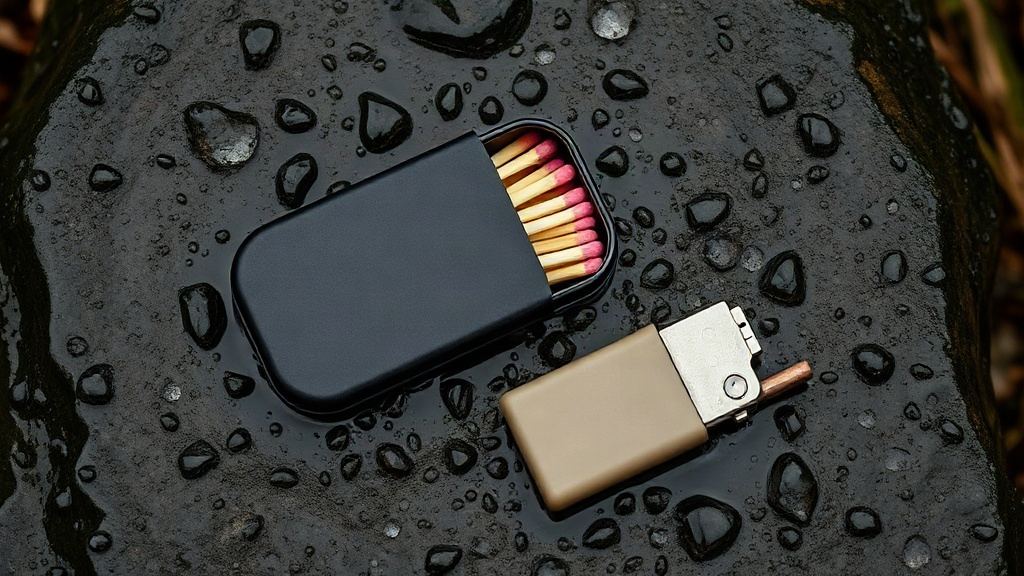
- Lightweight backup option: Lifesystems Stormproof Waterproof and Windproof Matches (paid link) – match heads are waterproof and burn for a reliable duration according to product specifications, but only with a dry striking surface stored in a dedicated Waterproof Match Case, Metal Airtight (paid link). See current price on Amazon → Check Amazon price →
- Skilled user’s waterproof choice: Light My Fire FireSteel Army, Rusty Orange (paid link) – ferrocerium rod sparks reliably in wet conditions but requires practice and dry tinder. Check Amazon price →
How fire-starting tools actually work
Understanding the mechanism reveals where each tool will fail when conditions turn against you.
A butane lighter creates a spark using a flint wheel or piezo igniter, then burns vaporised gas. The exposed wheel is the vulnerability point.
Waterproof matches have nitrocellulose-coated heads that resist water, but they need a dry striking surface to ignite – the strip is the weak link.
Ferrocerium rods throw sparks at extremely high temperatures when scraped with steel. The rod itself is waterproof, but success depends on your technique and having adequately dry tinder.
Most experienced users carry at least two of these options – the question is which combination works best for UK conditions.
Where lighters fall short in damp conditions
Standard disposable lighters have a critical design flaw for British woodland: the flint wheel sits exposed to the elements. When rain, splashes or condensation wet the wheel, friction drops and sparks won’t form. Even if the internal mechanism stays dry, a damp wheel renders the tool useless.
Wind presents another challenge. Butane flames are small and vulnerable to gusts that commonly sweep through woodland areas. You might relight repeatedly while your tinder bundle remains unignited.
Cold temperatures compound these issues. In the cold, butane’s vapour pressure drops, resulting in weaker flames. In autumn and winter conditions, this isn’t exceptional – it’s typical.
Keeping a lighter in a sealed bag near your body helps, but doesn’t solve the wind problem or quickly restore a wet flint wheel when you need immediate ignition.
The limitations of waterproof matches
While match heads are genuinely waterproof due to their nitrocellulose coating, the striking strip remains vulnerable to moisture. Many users discover this the hard way – standing in rain with perfectly dry matches that won’t ignite because the striking surface is damp.
Wind also defeats matches quickly. Even stormproof matches with their longer burn time struggle when gusts disrupt the small flame before it can transfer to tinder.
Quantity is another practical consideration. Packs often contain relatively few matches, meaning careful conservation is necessary in challenging conditions.
The solution involves using a dedicated waterproof case that protects both matches and striking surface, but this adds complexity and requires disciplined organisation.
Choosing the right combination for UK conditions
No single tool excels in all damp woodland scenarios – the practical approach involves pairing complementary tools that cover each other’s weaknesses.
For beginners, a Clipper lighter serves well as a primary tool due to its simplicity and affordability. Its refillable design and metal construction offer better durability than disposable alternatives.
As a backup, a ferro rod provides the most reliable waterproof option. While requiring practice to master, it functions independently of weather conditions once you develop the necessary skill.
Waterproof matches work as a secondary backup if you’re meticulous about case management, but the ferro rod generally offers more consistent performance for those willing to learn the technique.
Most experienced users carry both a lighter and ferro rod, using the lighter for convenience and the rod as insurance when conditions deteriorate.
Real-world tool performance
User feedback highlights practical considerations for each option:
Clipper lighter – A UK favourite for good reason. Refillable and durable, but the flint wheel still needs protection from moisture. Carrying two provides cheap insurance.
Light My Fire FireSteel Army, Rusty Orange – A reliable ferro rod option that performs consistently in wet conditions. The larger Army version offers better handling than smaller models. Requires practice to use effectively but becomes invaluable once mastered.
Exotac NanoStriker XL Orange (paid link) – A compact, waterproof option for keychain carry. The anodised aluminium body protects the rod, though assembly can be fiddly. It represents a premium choice for those prioritising compact form over simplicity.
Buy Exotac NanoStriker XL Orange on Amazon → (paid link)
Lifesystems Stormproof Waterproof and Windproof Matches – Deliver reliable ignition in poor conditions when used with proper case protection. The limited match count per pack means they work best as specialised backups rather than primary tools.
Spitfire Pocket Bellows (paid link) – While not an ignition tool, this accessory helps revive struggling fires by directing airflow precisely. The waterproof rubber mouthpiece makes it useful in damp conditions where fire maintenance proves challenging.
View Spitfire Pocket Bellows on Amazon → (paid link)
Common questions answered
Can regular lighters work in rain?
They can if the flint wheel stays dry. Once wet, even briefly, most lighters fail until thoroughly dried. A ferro rod or properly protected matches offer more reliability in consistently damp conditions.
How waterproof are waterproof matches?
The match heads resist water effectively, but the striking strip does not. Without a dry striking surface, the matches won’t ignite. A dedicated waterproof case that protects both components is essential for reliable performance.
What makes the best lighter backup?
A ferro rod provides the most dependable backup because water doesn’t affect its sparking ability. It does require practice to use effectively. Waterproof matches in a proper case work as an alternative, while a second dry lighter offers the simplest backup for those avoiding skill-based options.
Tool comparison at a glance
| Tool | Main Vulnerability | Ideal Use |
|---|---|---|
| Clipper Mystery Refillable Lighters, 8 Pack (paid link) | Moisture on flint wheel | Everyday primary use |
| Stormproof Matches | Wet striking surface | Protected backup |
| Ferro Rod | Skill requirement | Reliable all-weather backup |
| Standard disposable | Multiple weather weaknesses | Dry conditions only |

Making your decision before you go
The choice between matches and lighters shouldn’t happen in the field – it should be made at home during kit preparation. Each tool has specific weaknesses in British conditions that proper planning can mitigate.
A lighter works well until its flint wheel gets wet. A ferro rod ignores weather but demands skill. Matches need dry striking surfaces. The most practical approach combines a Clipper lighter as your go-to tool with a ferro rod for backup coverage.
Practice with both tools before you need them urgently – discovering technique issues during an emergency situation compromises safety.
For a systematic approach to building a reliable fire kit suited to UK woodland conditions, our free checklist provides a step-by-step framework.
Get the Free Bushcraft Starter Checklist to assemble kit that performs when conditions challenge you.
Further guidance
Our main guide UK Firecraft: Mastering Fire Lighting Tools for Damp Conditions explores this topic in greater depth.
References
As an Amazon Associate we earn from qualifying purchases. The products linked above are ones we think are worth a look.
This guidance is general in nature. Always verify fire safety regulations and land access permissions with relevant authorities before lighting fires outdoors.