Find Dry Tinder in Wet Woods UK
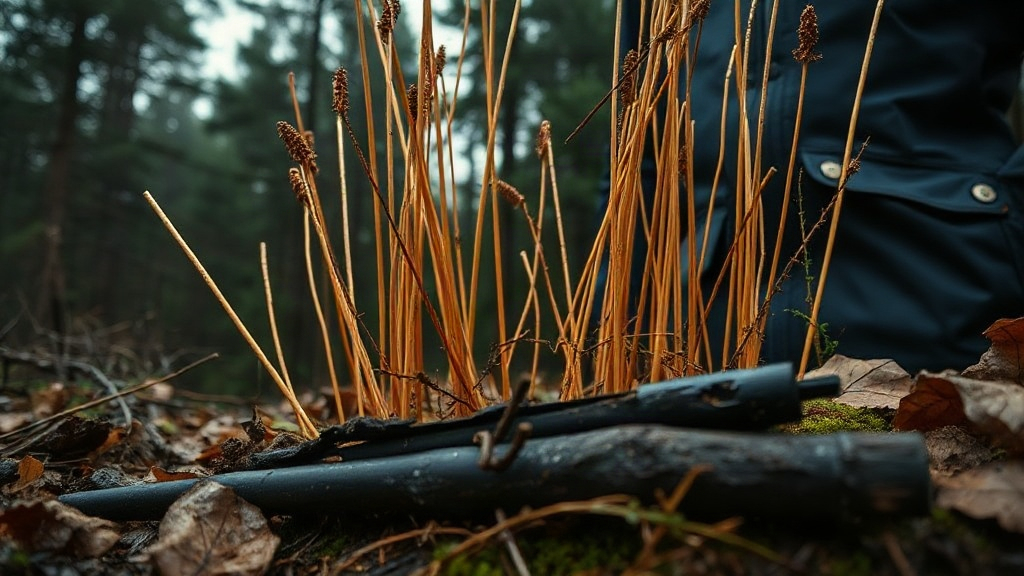
In wet UK woodland, the higher you look above the ground, the better your chance of finding dry material. This vertical principle explains why experienced fire-starters look up while beginners stare at the ground.
As an Amazon Associate we earn from qualifying purchases. Some links on this page are affiliate links, which means we may earn a small commission if you make a purchase.
Why the Ground Fails You
Forest floor debris acts as a moisture wick, drawing water up from the soil and collecting dew long after rain has stopped. Even wood that appears dry on the surface often contains enough dampness to extinguish sparks.
📺 Watch: 3 ways to find dry wood in pouring rain #bushcraft#survival …
Searching for perfectly dry wood at ground level is largely futile in British winter conditions. Material touching the earth remains compromised by capillary action and lack of airflow. You’ll achieve more in five minutes of looking upward than an hour of sifting through damp leaf litter.
If you’re questioning your equipment alongside your foraging strategy, reviewing your fire lighting kit might reveal complementary improvements.
Reliable Sources Above Ground Level
Shifting your search focus to elevated positions transforms your tinder gathering. You’re not seeking kiln-dried perfection but material protected from ground saturation.
Dead Standing Wood and Suspended Branches
Branches that have died but remain attached to trees benefit from superior rain shedding and constant air circulation. These “dead-heads” often contain completely dry wood at their core, even when their outer bark feels moist to the touch.
Harvesting Inner Bark
The fibrous inner bark of standing dead wood, particularly from species like hazel, stays protected and dry beneath the outer layer. When teased apart, it creates an ideal fluffy nest for catching sparks.
Naturally Flammable Species
Some UK trees and shrubs offer inherent advantages:
- Birch: Contains betulin, a natural resin that sustains combustion even when slightly damp.
- Clematis and Honeysuckle: Their thin, papery bark can be scraped into highly flammable tinder material.
Creating Feathersticks
When you locate a suitable dead branch, use a knife to shave thin curls from the dry interior wood. These feathersticks dramatically increase surface area, making ignition significantly easier. This technique provides the reliable heat needed for proper campfire meals .
Carrying Backup Tinder
While developing your foraging skills is essential, carrying a reliable backup removes uncertainty from wet-weather fire lighting. Storing pre-dried tinder in a pocket close to your body provides insurance through both physical protection and gentle warming.
A ferro rod provides ignition but requires properly prepared tinder. The Light My Fire FireSteel Army, Rusty Orange (paid link) offers consistent performance, though the thicker Army version is easier to handle with cold fingers than the standard Scout model.
See Light My Fire FireSteel Army, Rusty Orange on Amazon → (paid link)
For maximum reliability, consider stormproof matches in a waterproof case. Lifesystems Stormproof Waterproof and Windproof Matches (paid link) burn for up to 20 seconds according to the manufacturer, providing ample time for stubborn tinder to catch. Exotac quickLIGHT Tinder Tabs (paid link) offer another convenient, water-resistant option as emergency backup.
View Lifesystems Stormproof Waterproof and Windproof Matches on Amazon → (paid link)
Ensure your overall preparedness with our Free Bushcraft Starter Checklist , covering both sourcing skills and essential gear.
Common Mistakes to Avoid
Understanding what not to collect protects both your fire prospects and the woodland environment.
- Avoid stripping living trees: Harvesting bark from live trees can cause serious damage or kill the tree. Only collect from clearly dead standing wood.
- Don’t trust appearance alone: Grey, weathered wood on the ground may look dry but often contains significant moisture.
- Recognise limitations of protection: While tarps shield wood from rain, they don’t remove existing moisture—only airflow provides proper drying.
Further Guidance
Our comprehensive guide UK Firecraft: Sourcing Tinder and Kindling in Wet Woodlands explores this topic in greater depth.
For safety considerations, see our overview of bushcraft safety practices .
UK Tinder Species Reference
| Species | Key Feature | Best Source | Flammability |
|---|---|---|---|
| Birch | Natural resin content | Standing dead wood | Burns well when damp |
| Hazel | Fibrous inner bark | Dead standing wood | Excellent for spark nests |
| Clematis | Thin, dry bark | Elevated branches | Scrapes into fine tinder |
| Honeysuckle | Papery outer bark | High branches | Creates flammable shreds |
Is birch bark reliably dry?
Not necessarily. Ground-level birch bark often becomes saturated. For reliable tinder, harvest from standing dead trees or elevated branches where water sheds effectively.
Can moss serve as tinder?
Rarely. Most UK mosses retain too much moisture. While reindeer moss can work when completely dry, it’s uncommon in many woodlands.
What if I lack a knife?
You can still access dry wood by breaking branches to reach the interior, though a knife allows for more effective preparation through feathering.
Changing How You See the Woods
Understanding where to find dry material transforms your relationship with damp woodlands. The vertical gradient from ground to canopy becomes a practical map rather than an obstacle. Combining elevated foraging with carried backups creates confidence regardless of weather conditions.
This knowledge shifts how you approach any woodland—you’ll instinctively assess vertical opportunities rather than defaulting to ground level. Keep our species reference as a field guide for your future outings, ensuring you can reliably identify and harvest suitable materials.
Download the Free Bushcraft Starter Checklist to systematically prepare both your skills and equipment for successful fire lighting.
As an Amazon Associate we earn from qualifying purchases. The products linked above are ones we think are worth a look.
Disclaimer: This guidance is based on established bushcraft practices. Always verify identification with reliable sources and follow local regulations regarding foraging and fire use.