When Not to Light a Fire UK Woodland
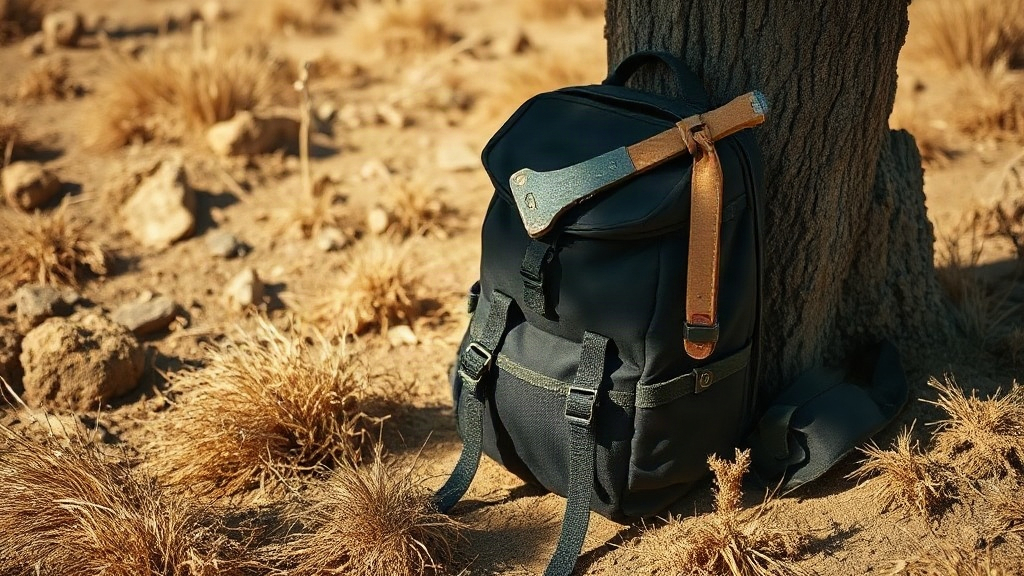
The Met Office Fire Severity Index reaches Level 4 (High) or Level 5 (Very High) when strong, sustained wind combines with low humidity and dry vegetation. At these thresholds, the Forestry Commission and other major land managers typically issue informal fire-use warnings. Most beginners planning a woodland trip have never consulted this index.
Most people think bushcraft is about lighting fires. The most important bushcraft skill is knowing when not to light one.
After a beginner course or an evening of survival TV, the urge to get outside and prove you can do it is strong. That’s understandable. But the UK landscape in spring and summer—especially lowland heaths, bracken slopes, and peat bogs—is far more vulnerable to accidental ignition than most newcomers realise. One stray ember or a fire lit under dead gorse, and you’re not practising bushcraft anymore. You’re responsible for a wildfire.
This article lays out the conditions that should always stop you—and the conditions where it’s genuinely safe to go ahead. No drama. Just the checklist you need before you strike a spark.
The “No-Go” Checklist
Three conditions should always, without exception, stop you from lighting a fire. Not “maybe reconsider”—stop.
Brown and brittle ground vegetation. If the ground cover around your proposed fire site is dry bracken, dead heather, crispy gorse, or anything that crunches underfoot and snaps, you’re sitting on kindling. Not metaphorically—actual dry fuel that will carry a fire faster than you can react. UK lowland heaths and moorland edges are particularly dangerous because the vegetation dries out in prolonged dry spells even when the trees above are still green. The mechanism is straightforward: dry organic matter below about 10 cm depth, combined with low humidity and direct sun, reaches a moisture content low enough to ignite from a spark in under two seconds.
Strong wind. At that speed, sparks and embers travel well beyond any intended fire boundary. A gust can carry a glowing ember a long way in seconds, landing in dry grass or leaf litter you didn’t even notice. When the Met Office Fire Severity Index hits Level 4 or 5, the risk of an ignition source starting an uncontrollable fire becomes significant.
Landowner permission has been refused. This is a legal and ethical hard stop. If the landowner—Forestry England, the National Trust, a private estate, the local council—has said no, or has posted notices restricting fires, or has a byelaw in place, you do not light a fire. End of conversation. “But nobody was around” and “I only wanted a small one” are not legal defences.
The daily check
Before you head out, check the Met Office fire severity index for your area. The main page shows a UK map with colour-coded risk levels. If the rating is High or above and your intended site has any of the conditions above, do not light a fire. Wait for better conditions.
The three hard stops:
- Ground vegetation is brown, dry, and brittle
- Wind is strong or gusting
- The landowner has not given explicit permission
That’s the decision. Everything else in this article is context for why those three stops exist.
Understanding UK wildfire risk
Most beginner bushcraft advice misses a critical point: UK woodlands have not evolved to burn.
Fire-adapted ecosystems—think Australian eucalyptus forests or Californian chaparral—have plants that rely on fire to release seeds, clear competition, or regenerate. They have thick bark, deep root systems that recover quickly, and species that resprout within weeks of a burn. British woodlands are different. Oak, beech, birch, and the heather moorlands that sit adjacent to them have no such adaptations. A fire in UK heathland can kill the root systems that hold the soil together, and those systems take years to recover—if they do. Peat bogs, which underlie large areas of British moorland, can smoulder underground for days after a surface fire has been extinguished, reigniting when conditions warm up.
Almost all UK wildfires are human-started. Organisations like the Woodland Trust highlight that wildfires are often triggered accidentally by human activities. In Scotland, for instance, official data indicates that the vast majority of wildfires result from human causes rather than natural ones. There have been incidents where disposable barbecues, banned in areas like the New Forest due to the risk, have been linked to fires causing significant damage. Small heat sources: a discarded cigarette, a disposable BBQ, a campfire built under the wrong conditions. Any of them can develop into an incident requiring emergency services within minutes.
An uncontrolled vegetation fire that requires an emergency response doesn’t need to be a Hollywood-scale event—it’s a fire on a hillside that spreads faster than a few people with buckets can contain. It closes footpaths, destroys habitat, releases stored carbon, and puts firefighters in genuine danger. If you start one—even accidentally, even with the best intentions—you are accountable.
How to Spot a Safe Fire Site
This isn’t an article telling you never to light a fire outdoors. A fire in the right conditions, at the right site, with the right preparation, is a legitimate bushcraft skill and a genuinely enjoyable experience. Here’s what “right” actually looks like.
Green, moist ground vegetation. The surrounding ground cover should be green, flexible, and damp to the touch. Not just “not brown”—actively moist. After rainfall, or early in the morning when dew is present, the fire risk drops significantly because the moisture in the vegetation absorbs heat rather than conducting it.
Wind below 10 mph, and not gusting. A light breeze is manageable. Anything above a gentle drift means you need to position your fire site so the wind is at your back, not blowing sparks forward. If you can feel leaves moving consistently, the wind is probably too strong for an open fire.
Explicit, informed permission from the landowner. Not “I think it’s probably fine”—you need to have checked. Forestry England sites often have fire restrictions posted at entry points or on their website during dry periods. National Trust properties vary by estate. If you’re on private land, ask the owner directly and make sure they understand what you’re planning to do.
A safe site away from overhanging branches and peat. Peat fires are particularly dangerous because they can burn underground and are extremely difficult to fully extinguish. Avoid any site where dark, soft, organic soil is present—that’s likely peat, and it will hold heat for a long time.
The simple version: Met Office fire severity index at Low or Moderate, ground vegetation green and damp, wind light, permission confirmed, site clear of peat and overhanging branches. That’s the zone. Everything else is no-go.
| Safe Conditions | No-Go Conditions | |
|---|---|---|
| Vegetation | Green, moist, flexible | Brown, brittle, crunchy |
| Wind | Light and steady | Strong or gusting |
| Permission | Explicitly granted | Denied, absent, or uncertain |
| Site | Clear of peat, no overhanging branches | Peat soil, overhead deadwood |
| Fire Severity Index | Low or Moderate | High or Very High |
Fire Lighting Kit: Safety First
Before you even think about striking a spark, your kit should be set up for safety, not just convenience. The point of good fire lighting kit is to give you consistent, controllable ignition so you can build what you need and put it out completely when you’re done.
A reliable ignition source matters more than most beginners realise. The Light My Fire FireSteel Army, Rusty Orange (paid link) is a well-regarded ferro rod known for its durability. The Army version features a thicker rod, which lasts longer than the smaller Scout version.
Check Light My Fire FireSteel Army, Rusty Orange price → (paid link)
The 3/8-inch Ferro Rod Fire Starter Kit (paid link) is a budget-friendly alternative that provides a basic, functional spark for occasional use.
Check 3/8-inch Ferro Rod Fire Starter Kit price → (paid link)
Whatever you carry, store your ignition source and tinder in something waterproof. A sealed tinder tin or a drybag keeps your options open when the weather turns. And always—always—have a way to extinguish the fire completely: a bucket of water, a shovel of earth, or both. Not a splash. Enough to soak the embers and the ground beneath them until they’re cold to the touch.
Before you pack your kit, make sure you have the essentials. Download the Free Bushcraft Starter Checklist .
Frequently Asked Questions
Can I light a fire on Dartmoor?
Dartmoor has specific rules about wild camping and fires, and they’ve tightened in recent years. The national park authority sets out where camping is permitted, and fires are restricted or prohibited on many open access areas, particularly during dry conditions. Check the current Dartmoor National Park Authority guidance before you go—the rules change, and what was fine last year may not be fine now.
What if I’m on open access land under the Countryside and Rights of Way Act?
Open access land gives you the right to walk, but not to light fires. Section 2(1) of the Act explicitly excludes any right to light fires. If the land is covered by an access order that restricts fires, or if the landowner has posted fire bylaws, you’re bound by them.
Does rain mean it’s safe to light a fire?
Not necessarily. Rain reduces the fire risk from surface vegetation, but it doesn’t eliminate the risk from peat, and it doesn’t override landowner restrictions. A heavy rain might bring a High fire danger rating down to Moderate, but if the ground vegetation is still brown and the wind is still up, the answer is still no. Check the rating, check the ground, check the permission.
The decision not to light
Choosing not to light a fire is not a failure of skill—it’s the application of a more advanced one. The discipline to run through a go/no-go checklist before every outing is as much a part of firecraft as the ability to strike a spark.
Lighting a fire in the wrong conditions is not a mistake you can take back. It’s not a case of “I’ll just stamp it out if it gets away from me”—by the time you realise it’s spreading, it has already spread. The conditions on the day decide whether a fire is a controlled tool or an uncontrolled incident, and those conditions are checkable before you leave the house.
Before you head out, check the Met Office fire severity index. Walk the intended site. Check the ground and the wind. Confirm the permission. If any of the three hard stops is present, go for a walk instead. There will be other days.
If you want a quick reference for what to check before lighting any outdoor fire—and what to pack so you can do it safely—grab our free checklist. It covers the conditions, the kit, and the shutdown procedure in one page you can keep on your phone.
Download the Free Bushcraft Starter Checklist
Related Guidance
Our guide on UK Firecraft: Fire Safety, Ethics, and Legality in UK Woodland provides a broader context for responsible fire use.
Sources & Further Reading
As an Amazon Associate we earn from qualifying purchases. The products linked above are ones we think are worth a look.
Important: This is general guidance. Always verify details with official sources and follow local regulations.